
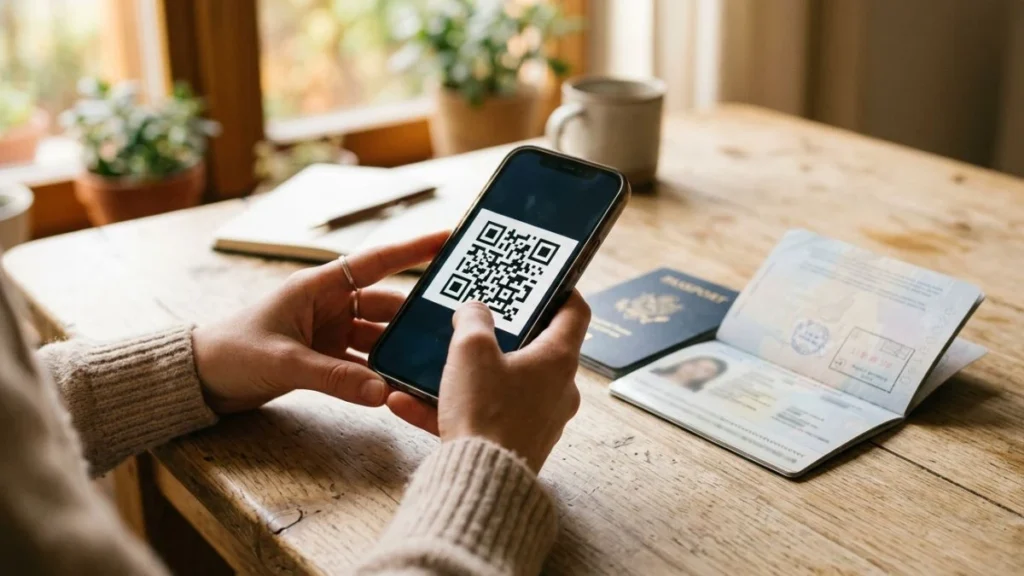
Bali tourist tax 2026 how to pay: The Bali tourist tax is a mandatory one-time levy of IDR 150,000 (approximately USD 10) charged to all international visitors entering Bali, introduced on 14 February 2024 under Bali Provincial Regulation No. 6 of 2023 to fund cultural preservation and environmental protection.
If you need to know how to pay the Bali tourist tax 2026, this guide covers the complete process — from the only official payment platform to exemptions, airport options, and the scam sites you need to avoid. The Bali tourist tax 2025 how to pay process itself takes about three minutes online, but getting the details wrong costs considerably more time at the airport. The levy amount remains IDR 150,000 per person (around USD 10 or AUD 15), unchanged since the Bali visitor tax launched in February 2024. What did change in 2025 is the regulatory framework: Governor Regulation No. 25 of 2025 updated the procedures for payment and enforcement.
One thing to know upfront: there is only one official payment platform. Scam websites mimicking the government portal have been charging triple the real fee — some advertising on Google and billing the equivalent of AUD 45 for a Bali tourism levy that officially costs AUD 15. The only legitimate URL ends in .go.id — Indonesia’s official government domain: lovebali.baliprov.go.id.
What Is the Bali Tourist Tax and Why Does It Exist?
The Bali tourist tax — also called the Bali tourism levy or Bali visitor tax — is a one-time entry fee of IDR 150,000, approximately USD 10, that every foreign tourist must pay upon entering the province of Bali. It is a local regulation implemented by the Bali Provincial Government, entirely separate from your visa and the national Indonesia Arrival Card.
According to the provincial government, the Bali tourism levy funds three areas: preserving Bali’s traditions, culture, and ceremonies; protecting its beaches, rice terraces, and forests; and improving infrastructure such as roads, waste management, and public facilities.
A portion of the revenue is distributed directly to local Desa Adat — traditional Balinese villages — to fund the continuation of ceremonies and cultural practices at the community level. This includes villages where communal systems keeping traditional architecture intact rely on local funding to function. The levy is not absorbed into general national government revenue.
The Bali entry fee is separate from your visa. Paying the tourist tax does not affect visa approval, and the Visa on Arrival (VOA) is a completely different transaction.
Bali Tourist Tax 2026 How to Pay: Step by Step
Paying online before you fly is the fastest and easiest method. Here is the exact process:
Step 1 — Go to the official platform: lovebali.baliprov.go.id. This is the only authorised portal. Do not use any other website.
Step 2 — Enter your details: full name as shown on your passport, passport number, email address, and your planned arrival date in Bali.
Step 3 — Choose your payment method. Accepted options are Visa, MasterCard, JCB, American Express, QRIS, and bank transfer.
Step 4 — Complete payment. The system will display the final amount in your chosen currency.
Step 5 — Check your email. A levy voucher containing a unique QR code will be sent to your registered email address. This is your proof of payment. Save a digital copy on your phone and print a backup if possible.
Step 6 — Present the QR code on arrival at Ngurah Rai International Airport.
The entire process takes about three minutes. Pay at least 48 hours before arrival — during peak seasons the system can slow down, and leaving it to the night before creates unnecessary risk.
Bali Tourist Tax 2026: How to Pay at the Airport vs Online
If you could not pay online beforehand, payment counters are available at Ngurah Rai International Airport and at Bali’s ferry terminals. Important: airport and seaport counters are cashless only — have an internationally recognised credit or debit card ready. Cash is not accepted.
Paying on arrival is possible but not recommended. During busy arrival periods when multiple international flights land simultaneously, queues at the levy counter can delay your exit from the airport by 30 to 60 minutes. Paying online before departure avoids this entirely.
| Payment method | Where | Cashless only? | Recommended? |
|---|---|---|---|
| Online (pre-arrival) | lovebali.baliprov.go.id | Yes | ✅ Best option |
| Airport counter | Ngurah Rai International | Yes | ⚠️ Last resort |
| Seaport counter | Bali ferry terminals | Yes | ⚠️ Last resort |
| Third-party websites | Various | — | ❌ Avoid |
Who Is Exempt from the Bali Visitor Tax?
Not all international visitors are required to pay the Bali tourism levy. The following categories are exempt:
- KITAS or KITAP holders (long-term stay permit holders)
- Diplomatic visa holders
- Airline and ship crew members
- Family Unification Visa holders
- Student Visa holders
- Golden Visa holders
- Visitors entering Indonesia for non-tourism purposes based on visa type
Exemptions are not automatic. If you fall into one of these categories, you must apply through lovebali.baliprov.go.id/exception no later than five days before your arrival. Supporting documents — your visa or KITAS/KITAP card — are required.
One point that surprises many travellers: the Bali tourist levy applies to every international visitor regardless of age. Infants, children, and adults each require a separate IDR 150,000 payment and individual QR code.
Do You Pay Again If You Leave Bali and Return?
If you travel from Bali to another country and re-enter, yes — you pay the Bali entry fee again. The levy applies on each entry from outside Indonesia.
If you travel from Bali to other Indonesian islands — Lombok, Nusa Penida, the Gili Islands — and return to Bali without leaving Indonesia, you do not pay again. The levy does not apply to domestic island-hopping within a single Indonesia visit.
What Happens If You Don’t Pay?
Enforcement in 2026 remains inconsistent. Officials conduct random checks at popular tourist attractions and at the airport. If you are found not to have paid, you will be required to settle the Bali tourist levy immediately on the spot. Authorities may issue warnings and could restrict future entry for non-compliance.
The provincial government has indicated that stricter penalties — including fines — are being reviewed. The trajectory is clearly toward tighter compliance requirements over time. Paying the IDR 150,000 upfront is considerably simpler than dealing with any of these scenarios at a temple checkpoint or immigration counter.
Practical Tips Before You Pay
Use only the official site — lovebali.baliprov.go.id. Any other website is either a scam or an unauthorised intermediary charging a premium. The .go.id suffix is Indonesia’s official government domain identifier.
Pay 48 hours before arrival — The system occasionally experiences delays during peak periods. Same-day payment creates unnecessary risk.
Group travel — You and your family can pay together in one transaction on the official platform. Groups larger than nine can use a spreadsheet upload function.
Screenshot your payment — Even if the QR code email doesn’t arrive, a screenshot of the payment confirmation is accepted as proof at airport checkpoints. Payment can also be verified against passport data on the official system.
Check your spam folder — If the QR code email doesn’t appear in your inbox within an hour of payment, check spam and promotions folders before assuming anything went wrong.
Exemption holders — Apply at lovebali.baliprov.go.id/exception at least five days before arrival. Do not assume your visa category qualifies automatically without checking the current list.
The Bali tourist tax 2026 is straightforward once you know the correct platform and the right order of steps. Three minutes online before you fly, a QR code saved to your phone, and the process is done. What the levy funds — cultural preservation at the village level, environmental protection, infrastructure — is the same system that keeps the Bali you came to visit functioning. Paying it is both a legal requirement and, in structure, a direct contribution to that.
For everything you need to know before your feet hit Bali ground — temple etiquette, cultural rules, and how to move around the island without a tour package — the Travel Essentials section covers each step in the same depth.
FAQ
How much is the Bali tourist tax in 2026? The Bali tourist tax remains IDR 150,000 per person — approximately USD 10, AUD 15, or EUR 9. This is a one-time fee per entry, not a nightly or per-attraction charge. The amount has not changed since the levy launched in February 2024.
Where do I pay the Bali tourist tax officially? The only official payment platform is lovebali.baliprov.go.id — operated by the Bali Provincial Government. Any other website is either a scam or an unauthorised intermediary. The .go.id domain is Indonesia’s official government identifier.
Do children have to pay the Bali tourist tax? Yes. The levy applies to all international visitors regardless of age, including infants. Each person requires a separate payment and individual QR code.
What if I paid but didn’t receive my QR code? Check your spam and promotions folders first. If it still hasn’t arrived, a screenshot of your payment confirmation is accepted as proof at airport checkpoints. Payment can also be verified against your passport data on the official system.
Is the Bali tourist tax the same as the visa fee? No. The tourist levy and the Visa on Arrival are entirely separate transactions with different purposes and different payment platforms. Paying one does not cover the other.
What happens if I don’t pay the Bali tourist levy? Officials conduct random checks at tourist attractions and airports. Non-payment requires you to settle immediately on the spot, and authorities may issue warnings or restrict future entry. Stricter penalties including fines are currently under review by the provincial government.